

Medical Disclaimer
This article is for informational purposes only and does not provide medical advice, diagnosis, or treatment recommendations. Hospital rankings, specialties, and treatment availability may vary based on methodology, patient needs, and evolving medical standards. Patients should consult qualified healthcare professionals and hospital representatives for personalized medical guidance.
Introduction
Cancer care in the United States continues to set global benchmarks for innovation, research, and specialized treatment. In 2026, U.S. cancer hospitals remain at the forefront of precision oncology, immunotherapy, advanced radiation techniques, and complex surgical care.
However, choosing the best cancer hospital in the USA is not about finding a single “number one” institution. Instead, it involves identifying the center that offers deep expertise in a specific cancer type, access to advanced therapies, and comprehensive support services.
This guide provides a clear, responsible overview of the best cancer treatment hospitals in the USA, focusing on clinical excellence, research leadership, and patient-centered care.
What Makes a Cancer Hospital “Best” in the USA?
Top U.S. cancer hospitals share several defining characteristics:
- NCI-Designated Comprehensive Cancer Center status, indicating excellence in research and care
- Strong academic and teaching hospital affiliations
- High patient volumes for complex and rare cancers
- Access to clinical trials and experimental therapies
- Multidisciplinary tumor boards involving oncologists, surgeons, radiologists, and pathologists
- Advanced diagnostic imaging and radiation technology
- Dedicated patient support services, including financial counseling
These factors matter more than size or brand recognition alone.
Top Cancer Treatment Hospitals in the USA (2026)
1. MD Anderson Cancer Center (Houston, Texas)
Best For: Rare, aggressive, and advanced-stage cancers
Affiliation: University of Texas System
Why It Stands Out:
MD Anderson is one of the largest cancer-focused hospitals in the world. Its care model is organized by disease-specific centers, meaning patients are treated by teams that focus exclusively on one type of cancer. This structure improves outcomes for complex conditions such as pancreatic cancer, leukemia, and sarcoma.
MD Anderson is also a leader in early-phase clinical trials, making it a key destination for patients who have exhausted standard treatment options.
2. Memorial Sloan Kettering Cancer Center (New York City, New York)
Best For: Precision medicine and personalized cancer care
Why It Stands Out:
Memorial Sloan Kettering (MSK) pioneered many of today’s standard cancer treatments. In 2026, MSK continues to lead in genomic profiling, allowing therapies to be tailored to the genetic characteristics of a patient’s tumor.
Its strong emphasis on minimally invasive surgery and outpatient cancer care helps reduce recovery times while maintaining clinical effectiveness.
3. Mayo Clinic Comprehensive Cancer Center (Rochester, Minnesota)
Best For: Coordinated, patient-centered oncology care
Why It Stands Out:
Mayo Clinic is known for its integrated care model. Patients often see multiple specialists within days rather than weeks, reducing diagnostic delays. This approach is particularly valuable for patients with multi-system or complex cancers.
Mayo also emphasizes evidence-based care, making it a strong option for patients seeking clarity and coordination.
4. Dana-Farber Cancer Institute (Boston, Massachusetts)
Best For: Blood cancers and combined adult–pediatric oncology
Affiliation: Harvard Medical School
Why It Stands Out:
Dana-Farber focuses exclusively on cancer treatment and research. It partners with Brigham and Women’s Hospital for surgery and inpatient care, giving patients access to both specialized oncology expertise and advanced hospital infrastructure.
Dana-Farber is especially well known for leukemia, lymphoma, and multiple myeloma treatment, as well as survivorship programs.
5. Cleveland Clinic Cancer Institute (Cleveland, Ohio)
Best For: Solid tumors requiring multidisciplinary care
Why It Stands Out:
As part of a large, integrated health system, the Cleveland Clinic Cancer Institute excels in cancers that require collaboration across specialties, such as gastrointestinal, lung, and urologic cancers.
Its emphasis on outcomes research and patient safety contributes to consistent care quality.
6. Johns Hopkins Sidney Kimmel Comprehensive Cancer Center (Baltimore, Maryland)
Best For: Translational research and early detection
Why It Stands Out:
Johns Hopkins has a long history of cancer research innovation. Its cancer center continues to play a major role in understanding cancer biology and translating research discoveries into clinical practice.
Patients seeking access to research-driven treatment protocols often consider Johns Hopkins.
7. UCSF Helen Diller Family Comprehensive Cancer Center (San Francisco, California)
Best For: Innovation-focused oncology care
Why It Stands Out:
UCSF is known for leadership in cancer genomics, targeted therapies, and immunotherapy research. Its location in a major biotech hub supports rapid adoption of emerging treatments.
UCSF attracts patients seeking cutting-edge care for complex or treatment-resistant cancers.
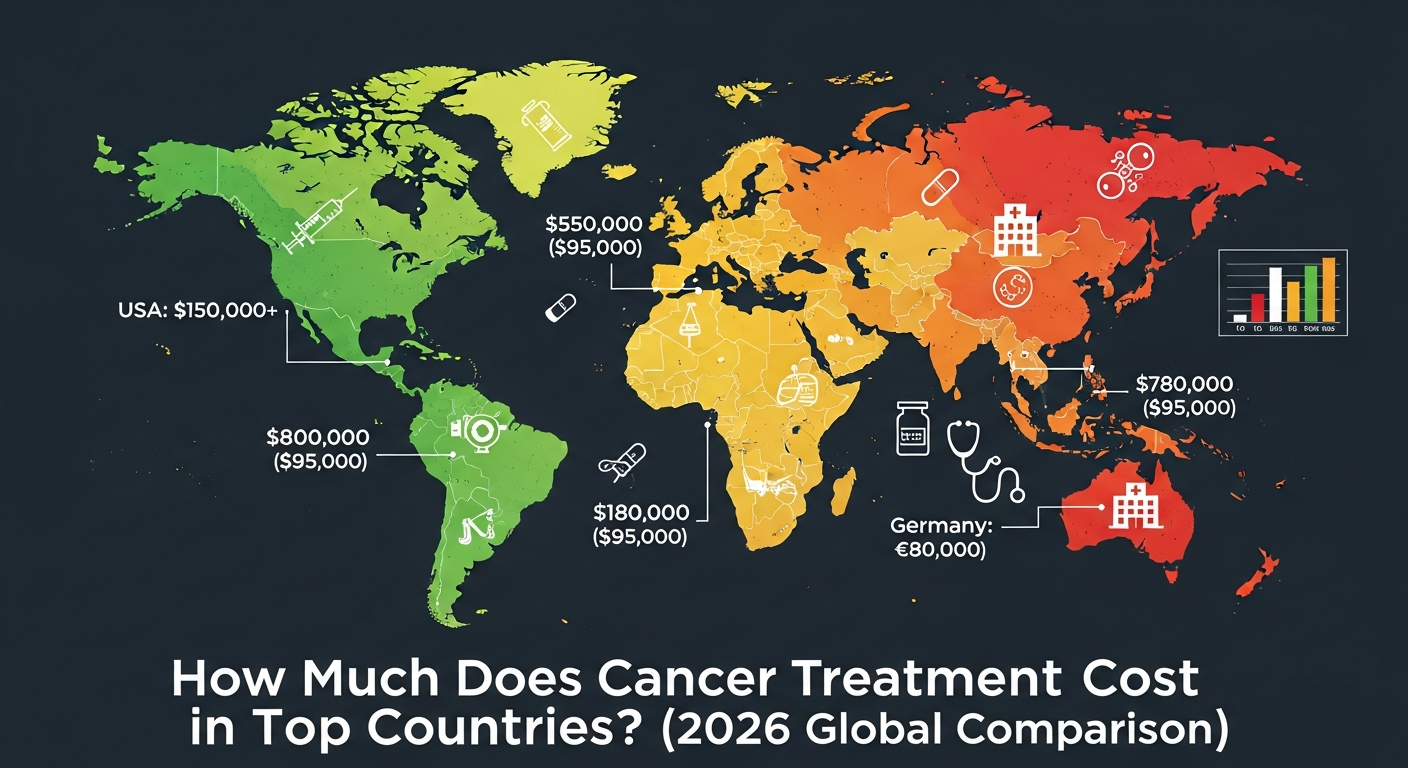
Cancer Treatment Costs at Top U.S. Hospitals (2026 Estimates)
| Treatment Type | Estimated Cost Range (USD) |
|---|---|
| Chemotherapy (per cycle) | $9,000 – $28,000 |
| Radiation therapy (full course) | $32,000 – $75,000 |
| Cancer surgery | $55,000 – $220,000+ |
| Immunotherapy (annual) | $110,000 – $260,000 |
Actual costs depend on cancer type, hospital, insurance coverage, and treatment duration.
Insurance & Financial Considerations
Most top U.S. cancer hospitals accept major private insurance plans, but coverage varies widely. Patients should expect:
- Pre-authorization requirements
- Deductibles and co-insurance
- Potential out-of-network charges
International patients typically pay upfront and seek reimbursement later. Financial counseling is standard at major centers and should be used early in the process.
How to Choose the Right Cancer Hospital
Patients should consider:
- Hospital experience with their specific cancer
- Access to clinical trials
- Treatment urgency and scheduling
- Insurance acceptance and estimated costs
- Support services for caregivers and international patients
Second opinions are common and often encouraged in oncology care.
International Patients Seeking Cancer Care in the USA
Top U.S. cancer hospitals offer specialized international patient programs, including:
- Visa and travel coordination
- Interpreter services
- Dedicated care coordinators
The USA is frequently chosen for complex, rare, or advanced cancers requiring rapid access to specialized expertise.
Trusted Sources for Cancer Care Information
For additional education, patients may consult:
- National Cancer Institute (NCI)
- American Cancer Society
- Academic cancer center publications
These sources provide evidence-based information but do not replace professional medical advice.
Conclusion
In 2026, the United States remains one of the most advanced destinations for cancer treatment, offering unparalleled depth in oncology specialization, research, and innovation. While treatment costs are high, access to expertise and advanced therapies makes U.S. cancer hospitals a critical option for many patients worldwide.
Choosing the best cancer hospital depends on cancer type, treatment goals, and access needs, not rankings alone.